Introduction
Virtual events no longer feel new. They feel necessary. Yet something is still missing—the warmth of a human presence, the rhythm of a real host, the spark that keeps people listening instead of drifting away.
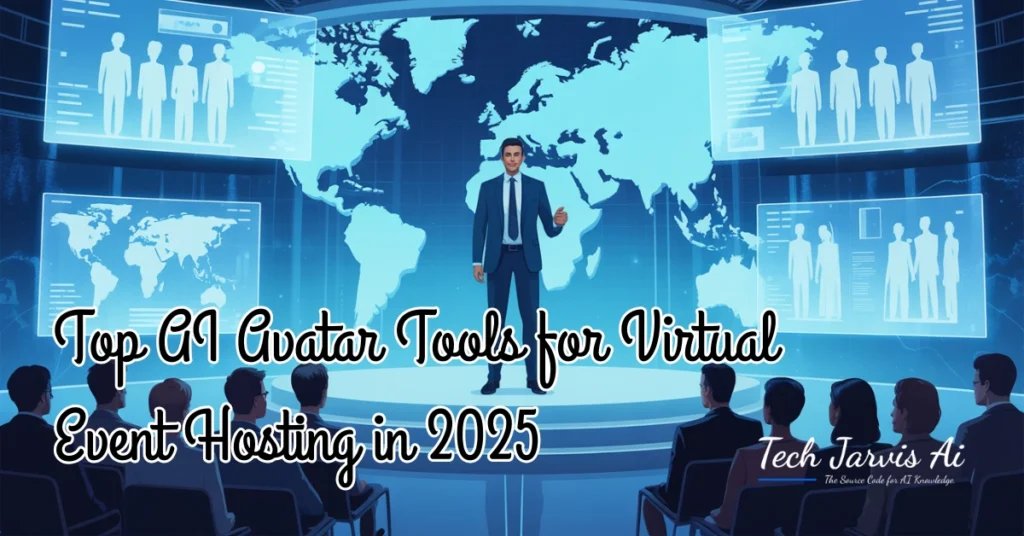
That gap is where AI avatars quietly step in. In this guide, we explore the top ai avatar tools for virtual event hosting. Not as cold technology, but as digital hosts that speak, listen, and engage with surprising realism.
What Are AI Avatar Tools for Virtual Event Hosting?
AI avatar tools are software platforms that create digital humans capable of speaking, presenting, and interacting during online events. These avatars use artificial intelligence, neural voice synthesis, and facial animation to behave like real presenters.
Instead of static slides or silent videos, AI avatars bring motion and emotion to virtual stages. They can host sessions, deliver keynotes, moderate discussions, or guide audiences through complex ideas.
At their core, these tools combine text-to-speech avatars, speech-to-avatar technology, and natural language processing (NLP). The result feels less like automation—and more like presence.
Why Use AI Avatars for Virtual Events?
Online audiences are tired. Attention spans shrink faster behind screens. AI avatars help bridge that emotional distance.
They offer consistency. They never lose energy. They never forget a script. More importantly, they scale effortlessly across time zones and languages.
For organizers, AI avatars mean freedom. Freedom from scheduling conflicts. Freedom from repeated recordings. Freedom to host global events without burning out human teams.
As one event strategist shared:
“An AI avatar doesn’t replace the host. It removes the friction around hosting.”
That distinction matters.
Benefits of AI Avatar Tools for Hosts and Organizers
Improved Audience Engagement
Animated AI avatars hold attention better than slides or voiceovers. Facial expressions, lip-sync accuracy, and natural pacing make content easier to follow.
When paired with chat-enabled AI avatars, engagement becomes two-way. Audiences feel seen, not spoken at.
Cost and Time Efficiency
Hiring presenters, recording multiple versions, and managing reshoots adds up. AI avatar tools compress weeks of work into hours.
Once created, avatars can be reused endlessly. That efficiency changes how teams plan events.
Scalability for Large or Global Events
AI-powered virtual event hosting works at any scale. Ten attendees or ten thousand—it doesn’t matter.
Multilingual AI avatars allow one message to travel globally, without losing clarity or tone.
Common Use Cases of AI Avatars in Virtual Events
Webinars and Online Conferences
AI presenters for webinars ensure consistent delivery. They introduce speakers, transition sessions, and keep energy steady.
This works especially well in recurring events where fatigue often shows.
Product Launches and Brand Events
Brands use AI avatars to tell stories visually. Product features feel cinematic instead of technical.
Many platforms integrate seamlessly with existing virtual events ecosystems.
Training Sessions and Workshops
AI avatars shine in education. They repeat lessons without frustration and adapt pacing to different learners.
That patience builds trust.
Key Features to Look for in AI Avatar Tools
Realistic Avatar Customization
Realism is not about perfection. It’s about believability.
Look for tools offering detailed facial animation, posture control, and flexible avatar design options. Visual quality matters, especially for corporate events.
Advanced platforms now leverage next-gen AI video models to improve motion realism.
Voice, Lip-Sync, and Language Support
Voice defines trust. High-quality neural voices, accurate lip-sync, and multilingual support are essential.
Tools integrating advanced AI voice technology create avatars that sound calm, clear, and human.
Live Interaction and Automation Capabilities
Some AI avatars work live. Others are pre-recorded.
Choose based on your needs. Real-time AI avatars enable Q&A moderation, while automated avatars excel in structured events.
Platform and Streaming Integrations
Compatibility matters. The best tools connect smoothly with webinar hosting software, live streaming platforms, and analytics dashboards.
Integration reduces stress during live events.
Top AI Avatar Tools for Virtual Event Hosting (2025)
Tool Overview and Core Strengths
The top ai avatar tools for virtual event hosting in 2025 focus on realism, scalability, and ease of use.
Platforms like Synthesia, HeyGen, D-ID, and emerging AI avatars solutions offer polished digital presenters. Each excels differently—some in realism, others in automation.
These tools allow event organizers to create virtual MC AI tools that introduce speakers, narrate sessions, and maintain pacing.
Ideal Use Cases and Limitations
No tool is perfect.
Some platforms lack real-time interaction. Others require strong hardware. Understanding limitations prevents disappointment.
The best approach is matching tool strengths to event goals.
Comparison of Leading AI Avatar Tools
Pricing and Licensing Models
Pricing varies widely—from monthly subscriptions to enterprise licensing.
Budget tools work for small events. Enterprise platforms suit global conferences.
Ease of Use and Learning Curve
Drag-and-drop interfaces lower barriers. Script-based workflows suit teams with content experience.
Output Quality and Performance
Performance depends on avatar realism, voice quality, and rendering stability.
Audiences notice quality instantly.
How to Choose the Right AI Avatar Tool for Your Event
Define Event Goals and Audience Size
Start with purpose. Is the event educational, promotional, or inspirational?
Audience size shapes technical needs.
Match Features to Technical Requirements
Live events need stability. Pre-recorded sessions need polish.
Avoid overbuying features you won’t use.
Evaluate Budget and Long-Term Value
Think beyond one event. Reusability increases ROI over time.
Best Practices for Using AI Avatars in Virtual Events
Script and Presentation Optimization
Write conversationally. Short sentences sound more human.
Balancing Automation and Human Interaction
Let AI handle structure. Let humans handle emotion.
Testing and Performance Monitoring
Always rehearse. Always test. Small glitches feel big live.
Limitations and Challenges of AI Avatar Hosting
AI avatars still lack true empathy. They cannot improvise deeply emotional moments.
Technical failures, uncanny visuals, or voice mismatch can break immersion.
Awareness is key.
Future Trends in AI Avatars for Virtual Events
The future feels more human.
Expect real-time AI avatars, deeper audience interaction, and immersive metaverse events.
Digital humans will not replace hosts. They will redefine hosting.
Frequently Asked Questions
What types of virtual events benefit most from AI avatars?
Structured, repeatable events gain the most.
Are AI avatar tools suitable for live, real-time hosting?
Some are. Others focus on pre-recorded excellence.
How realistic are modern AI avatars compared to human hosts?
Surprisingly close—especially visually and vocally.
Do AI avatar tools support multiple languages and accents?
Most leading platforms do.
What technical setup is required to use AI avatars in events?
Usually minimal—browser-based tools dominate.
Can AI avatars replace human presenters entirely?
Not emotionally. But structurally, yes.
How much do AI avatar tools typically cost?
From affordable subscriptions to enterprise plans.
Conclusion
Virtual events are no longer about technology alone. They are about connection. The top ai avatar tools for virtual event hosting offer something quietly powerful—a way to speak clearly, scale globally, and stay human in digital spaces.
Used thoughtfully, AI avatars don’t replace people. They support them. And in that balance, virtual events finally begin to feel alive.